Nightly Records of Motion and Light

A continuous archive of the living patterns, behaviors, and subtle rhythms observed each night under the guiding glow of the Moth Journal lamps.

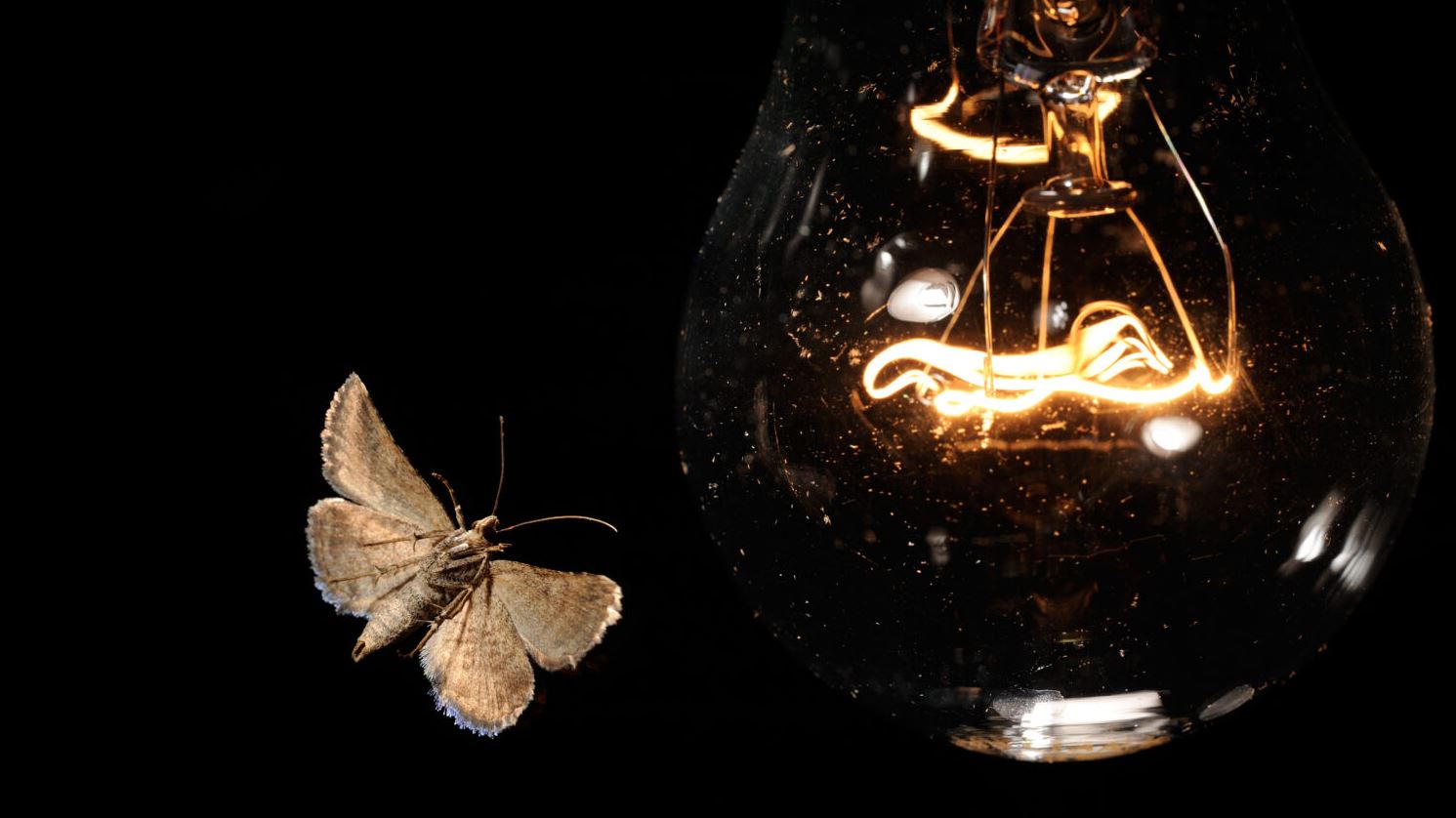
Night lamp illuminating moths in flight

A Chronicle Written in Wings

Every observation session begins with a familiar stillness. The equipment settles, the lamp warms, and the surroundings shift into a new form of nighttime awareness. In these early moments, the environment transforms from a quiet field or quiet corner of a backyard into a stage defined by movement. The light creates a focal point, a place where moths, small beetles, curious lacewings, and even drifting pollen particles converge. This convergence sets the tone for the entire session, and the observation log becomes a written trace of this ongoing transformation.

The log serves a purpose beyond documentation. It becomes a lens into the health of the environment and the subtle fluctuations shaping the local ecosystem. On some nights, only a few species respond, drifting in and out of the lamp’s reach with a kind of hesitant curiosity. On other nights, dozens of species fill the air, creating a layered dance that feels alive with pattern and tension. These nights often reveal unexpected dynamics, such as shifts in humidity that thicken the air, influence flight paths, and alter the speed at which the moths move through the illuminated area.

Recording these behaviors helps reveal trends that become clear only through long-term attention. A moth appearing earlier in the season than expected may indicate unusual warming patterns. A sudden increase in small noctuid species might reflect changes in plant cycles or humidity. Even the intervals between moth arrivals carry meaning. Observers learn to interpret the long pauses, the short bursts of activity, the sudden swarms, and the rare but striking arrivals of larger species gliding silently into view as if drawn by something older than instinct.

These logs are more than lists. They are emotional maps of evenings spent listening to the quiet hum of night. Sometimes the log captures the sensation of anticipation, moments when the lamp appears to call out yet no moths answer. Other times, it captures the overwhelming complexity of nights filled with restless, chaotic movement. Observers describe feeling as though they are witnessing a natural tide, one that rises and falls in a steady but unpredictable rhythm. The log attempts to freeze those moments long enough for them to be examined with clarity.

As the document grows, it becomes an archive of environmental history. Certain species appear consistently, forming the recognizable signatures of local landscapes. Others arrive only occasionally, their rarity leaving behind a kind of luminous imprint in memory. Over time, the log reveals not just what was seen but how the observer changed through witnessing these scenes. Understanding grows, instinct sharpens, and the observer becomes attuned to details that once slipped past unnoticed. This shift is part of the magic of documenting moth behavior, where repeated attention leads to a deeper appreciation for the texture of the night.

Patterns in Arrival and Motion

One of the most intriguing aspects of maintaining an observation log is the emergence of repeatable patterns. At first, the sessions feel chaotic, with moths appearing in no apparent order. But with persistence, certain sequences begin to take shape. Some species arrive shortly after dusk, making them reliable early visitors. Others prefer the deeper hours of night, often appearing only when the environment reaches a certain level of stillness. These patterns reveal themselves slowly, showing the observer that time, temperature, and moon phase each influence behavior in unique ways.

Wind also shapes behavior more than one might imagine. On breezy nights, moths become cautious, approaching the lamp from lower angles or zigzagging unpredictably as they compensate for shifting air currents. These nights often lead to fewer landings but more intricate flight paths. The logs show a distinctive difference between these nights and calm ones, where moths drift directly into the illuminated area with gentle, confident movements. Noticing these differences helps build a mental map of how insects adapt to fluctuating environmental conditions.

Humidity plays its own role in shaping flight. On nights where moisture hangs visibly in the air, the illuminated space takes on a glowing softness, and moths often appear slower, as though gliding through a thicker medium. The observation logs frequently describe a dreamlike quality on these nights, with wings catching light in ways that make even familiar species look ethereal. Dry nights, by contrast, reveal sharper silhouettes, with rapid movements and crisp wingbeats that leave fleeting shadows on surrounding surfaces.

Over months of observation, these subtle distinctions accumulate until they form a seasonal rhythm. Early spring tends to bring slower flights and more tentative approaches, as though the season itself is waking up. Mid-summer sessions often burst with activity, with a greater diversity of species overlapping in chaotic layers. Late-season logs describe a kind of gentle settling, where the variety diminishes but individual appearances feel more deliberate and striking. These seasonal arcs become essential to understanding local biodiversity.

Although the logs are scientific in structure, they remain deeply personal in tone. The observer becomes part of the pattern, experiencing the anticipation, the curiosity, and the sense of discovery that accompany each new arrival. With time, you start to interpret the night differently, seeing it not as an absence of light but as a canvas shaped by movement, sound, temperature, and texture. This shift shapes every entry in the log, allowing the reader to sense the night not as a static backdrop but as an ever-changing ecosystem.

Environmental Cues and Behavioral Shifts

Beyond simple arrivals and departures, the observation log captures more nuanced behavioral shifts. Some of the most fascinating entries describe how moths change their patterns in response to the faintest environmental cues. A slight rise in temperature can trigger bursts of rapid movement, while a drop often leads to long pauses where moths remain perched on rough surfaces near the lamp. These holding patterns have been described as moments of recalibration, as though the insects are gathering information from the surrounding air before moving again.

Seasonal blooming cycles influence traffic around the lamp as well. When local flora enters peak flowering, the increased availability of pollen and nectar leads to fluctuations in moth activity. Some species become more active during these periods, either due to higher energy availability or increased competition. The log often reflects this through nights of rapid arrivals, where several species appear in quick succession. Observers use these entries to cross-reference plant cycles in their region, helping build an interconnected picture of nocturnal ecology.

Additional factors such as moonlight intensity also shape behavior. Full moons often produce quieter nights around the lamp, as the surrounding environment becomes bright enough that moths rely less on isolated light sources. Conversely, moonless nights generate concentrated activity, with the lamp serving as the dominant beacon in the landscape. These differences have a dramatic effect on the energy of an observation session. What might appear, at first glance, to be minor changes in ambient light become defining characteristics in the nightly log.

Rain creates another dramatic shift. Even light rainfall causes moths to retreat, dropping out of the illuminated space and clinging to the underside of leaves or nearby structures. After the rain ends, the logs often note powerful resurgence moments, where multiple species reappear almost simultaneously. This rapid return reveals how sensitive moths are to moisture and how brief environmental windows can create unique opportunities for observation. Witnessing a post-rain surge can feel surreal, as though the landscape briefly awakens with renewed intensity.

The logs also describe how predators influence moth behavior. Spiders, small owls, and even bats occasionally appear in the periphery of the lamp’s reach, and their presence creates tension in the movement patterns. Moths become erratic, jerking through the air in unpredictable bursts. These entries provide a deeper ecological context for the observations, showing that the lamp does not isolate moths from their ecosystem but instead highlights the interdependent relationships active during the night.

Tracking Individual Species Through Repetition

With consistent logging, the observer begins to recognize individual species with ease. This recognition transforms the nightly sessions, adding a sense of continuity between each observation period. Species that appear frequently become familiar presences, each with its own distinctive movement style. Some approach the lamp cautiously, spiraling inward with slow determination. Others dart toward the light and retreat quickly, as though testing the boundaries of the illuminated space.

Over time, the observer can track changes in species abundance. When a familiar moth that once appeared nightly begins to show up less frequently, the logs reflect a shifting environment. Similarly, the sudden introduction of a new species can bring excitement and curiosity. These entries often include heightened descriptions, capturing the moment when the observer realizes they are seeing something unfamiliar. Spotting a new species becomes a significant event, recorded in detail to preserve the discovery.

The logs also reveal how certain species interact with one another. Although moths are often seen as solitary creatures, the illuminated space shows subtle interactions that might otherwise go unnoticed. Some species frequently share the same space without conflict. Others display territorial tendencies, using quick flicks of their wings to assert dominance. These behaviors may not be dramatic, but they carry ecological significance. They hint at competition, hierarchy, or shared resource use within the nighttime microcommunity.

Repetition allows the observer to notice these patterns with increasing accuracy. Early logs may contain broad descriptions, grouping multiple species under similar labels due to inexperience. With practice, those general categories break apart into distinct entries. Wing shape, antennae position, resting posture, and even the angle at which a moth approaches the lamp become identifying features. The observer learns to trust subtle cues, building an internal library of characteristics that grows with every session.

These identifications contribute to a long-term record of local biodiversity. By logging consistent data over months or years, the observer can detect population shifts that might otherwise fade into the background. A gradual decline in a specific species may indicate habitat loss or climate stress. An unexpected surge might suggest changes in vegetation, temperature, or the introduction of new environmental factors. Through careful observation and documentation, each entry becomes part of a larger narrative about the health of the ecosystem.

Moments of Stillness in a Moving Landscape

Not every observation log is dominated by movement. Some nights unfold with extended periods of stillness, where only a few moths drift through the illuminated space. These moments, rather than being uneventful, often reveal unique insights. When activity is low, observers can pay closer attention to resting behaviors, subtle wing vibrations, and the way moths cling to bark, fabric, or the rough surfaces placed near the lamp. These quieter nights bring their own form of clarity, allowing the observer to study details that might be lost during high-activity sessions.

Stillness also heightens awareness of background sounds. The low hum of insects beyond the light’s reach becomes more noticeable, forming a soft environmental chorus. Leaves rustle gently, small branches shift in the breeze, and distant nocturnal animals produce faint calls. The logs often describe these auditory elements, noting how they blend with the light to shape the emotional atmosphere of the night. The observer becomes more attuned to the environment as a whole, not just the moths directly in front of them.

These quieter entries help balance the observation record. They demonstrate that the night does not always produce overwhelming activity and that variation itself is meaningful. Nights of minimal motion offer reassurance that the ecosystem naturally fluctuates, reminding the observer not to expect constant spectacle. The logs describe these evenings with a sense of reflection, focusing on texture, silence, and the ambient qualities that shape nighttime experience.

On some nights, stillness becomes a precursor to dramatic activity. A long, quiet period may be followed by a sudden rush of arrivals, as though the ecosystem collectively responds to a hidden cue. The logs often capture this moment with language expressing surprise and wonder. These transitions enrich the observation experience, showing that the night contains rhythms not immediately visible. By documenting these changes, the log provides a more complete picture of the dynamic complexities shaping nocturnal life.

Even in stillness, the presence of the lamp feels significant. It becomes a patient witness to whatever the night chooses to reveal. Whether the space fills with movement or remains nearly empty, each entry builds toward a deeper understanding of the nocturnal world. The observer learns that the value of the log lies not in spectacle but in the patient accumulation of detail, subtlety, and disciplined attention.

The Illumination Field and Its Invisible Boundaries

One concept that becomes clearer with prolonged documentation is the idea of an illumination field, an invisible boundary created by the lamp’s reach. This field is not defined strictly by brightness but by how moths interpret the gradient between darkness and light. Many species approach from the edges of this field with a kind of cautious curiosity. They hover at the transition zone, adjusting their position until the contrast feels comfortable. The observation logs often describe these outer edges as active thresholds where moths test their surroundings before committing to entering the brighter center.

Inside the illumination field, different layers of brightness produce distinct behavioral clusters. Some moths prefer the brightest core, circling tightly around it. Others inhabit the mid-range halo, where the light is softer and the shadows longer. Still others remain near the dim edges, skimming the border between visibility and darkness. Observers quickly notice that this distribution remains surprisingly consistent across sessions. The behavior forms a kind of luminous zoning, revealing how essential microgradients of light are to insect navigation.

The log frequently notes how the field expands or contracts depending on humidity, fog, particulate density, and even the position of the lamp relative to textured surfaces. When a wall or tree stands behind the lamp, the reflected light creates new layers, adding complexity to the illumination pattern. These reflections can draw moths into certain pockets of space that would normally remain empty. In more open environments, the light diffuses outward evenly, allowing moths to maneuver freely without encountering distortive reflections.

Observers also document how insects use these invisible layers to avoid predators. A moth sensing danger will often slip into the transitional zone, using the contrast to obscure its movement. These defensive maneuvers are recorded in detail within the log, revealing that even the artificial illumination of a lamp does not remove the ecological tension present in the natural world. Rather, it shifts the tension into new environments, creating boundaries where prey and predators interact in surprisingly complex ways.

Understanding these boundaries helps observers refine their setups. By changing the height or angle of a lamp, one can alter the shape of the illumination field, shifting the layers where moths prefer to fly. This allows for more intentional documentation strategies. The log grows richer as observers experiment with these adjustments, creating a dynamic feedback loop between observation and technique. Over time, the field becomes more than a passive space. It becomes a tool shaped deliberately to reveal new aspects of nocturnal behavior.

Temporal Flow and the Rhythm of the Night

Time inside an observation session moves differently than it does during the day. The logs describe this altered perception with remarkable consistency. Minutes can stretch into long intervals where every subtle movement feels amplified. Then hours can collapse into tight pockets of concentrated activity. The night does not unfold in a linear progression. Instead, it pulses in waves of energy and calm, with each wave leaving behind impressions that shape the overall narrative of the log.

Observers often describe how their sense of awareness expands over the course of a session. At the beginning, attention is focused narrowly on the illuminated area. As the night deepens, awareness widens to include distant sounds, air pressure changes, and faint glimmers of movement beyond the lamp’s direct reach. This shift brings depth to the logs, as the observer begins to describe not only the moths directly in front of them but the larger atmosphere supporting their presence.

This temporal flow becomes especially important during longer observation windows. Some sessions extend for several hours, allowing for a more complete picture of nocturnal cycles. Early entries might describe timid arrivals, mid-session entries might capture the peak burst of activity, and late-session entries might reflect a gentle tapering off. This arc forms a natural storyline, turning the observation log into a kind of living document structured around the breathing rhythm of the environment.

Observers frequently note how their own energy synchronizes with this flow. The act of documenting becomes meditative, requiring sustained patience. As the log progresses, descriptions evolve from quick impressions into deeper reflective notes. The changing tone reveals how observation is not merely a scientific practice but an emotional one. The observer becomes embedded within the rhythm, contributing their own presence to the night’s unfolding.

By the end of a session, the log becomes a snapshot of an entire emotional and ecological landscape. The language slows down, capturing the gradual fade of movement as moths disperse into the darkness. These closing entries often carry a sense of gratitude or contemplation. They represent the end of a shared moment between observer, lamp, and environment, held together briefly by the glow that shaped the night.

The Log as a Lens Into Long-Term Ecological Change

When viewed individually, each observation log captures only a single night’s story. But when viewed collectively, they reveal long-term ecological patterns that might otherwise go unnoticed. Over seasons and years, subtle shifts accumulate into visible trends. Observers begin to sense which species are becoming more frequent and which are fading. These patterns form the foundation for early awareness of environmental change, offering valuable insight into how climate, habitat, and local conditions are evolving.

Long-term logs often describe gradual changes in species size, coloration, or flight timing. These shifts may reflect genetic adaptation, environmental stress, or variations in food availability. Documenting these details across years adds a powerful dimension to the project. The observer becomes a witness to the unfolding story of an ecosystem adjusting to larger forces. Entries describing once-abundant species becoming rarer carry a quiet weight, while notes capturing the emergence of new species suggest the environment is shifting in new directions.

Observers frequently make connections between broader ecological events and nightly changes in activity. Heat waves, extended wet seasons, sudden droughts, and even nearby urban development leave signatures in the logs. These influences can alter flight paths, reduce species diversity, or create brief spikes in particular families of moths. Over time, the observation log becomes not just a record of the night but a map of environmental pressures written through movement, abundance, and presence.

This long-range perspective transforms how observers understand their work. What may have started as a simple curiosity becomes a long-term commitment to witnessing change. The logs show how deeply interconnected human activity and natural cycles have become. Even small details, such as when a certain moth first appears each season, can become environmental indicators. Observers often express a sense of responsibility in maintaining consistent records, knowing that these entries may one day help others understand shifts in local biodiversity.

In this way, the observation log becomes a bridge linking individual experiences with the wider story of ecological transformation. It shows that every night carries meaning, even if that meaning is not immediately visible. The detailed descriptions, repeated attentively across time, reveal deeper truths about a landscape that is always in motion.

The Quiet Satisfaction of Closing the Log

At the end of each session, closing the observation log feels like closing the final page of a small but meaningful chapter. The night slowly releases its energy as the lamp dims or powers down. The surrounding environment shifts back into darkness, and the space that was once filled with movement becomes still. Observers often describe a moment of reflection here, where they acknowledge not only the moths they recorded but the broader experience shared with the environment.

This final ritual becomes a grounding practice. The observer collects their notes, reviews key moments, and sometimes writes final impressions that capture the emotional tone of the night. Even when the log is straightforward and mostly technical, these closing entries bring a sense of completion. They represent a transition back into the world of daytime rhythms and human concerns, offering a quiet moment of gratitude for the opportunity to witness the delicate choreography shaped by light.

Over months and years, these closing entries gain new layers of meaning. They mark the end of hundreds of unique atmospheric scenes, each shaped by invisible patterns and subtle environmental cues. Together, they form a collection of moments that reveal the resilience, fragility, and enduring beauty of nocturnal ecosystems. The observer learns that every night offers something worth preserving, whether it is a burst of activity, a rare species, or a moment of introspective calm.

The observation log, in its entirety, becomes a testament to patience and curiosity. It demonstrates that understanding the night requires more than quick notes or isolated sessions. It requires a willingness to return repeatedly, to observe with care, and to allow the environment to reveal its patterns over time. Closing the log is not an ending but a pause, a recognition that the night will offer something different on the next session, waiting quietly to be discovered.

With this understanding, the observer continues the practice, guided by the gentle glow of the lamp and the ever-changing presence of the moths that respond to it. The log remains open in spirit, ready for the next entry, ready for the next quiet story written in wings.