
The Lamps That Shape the Night
A deep exploration of the lights that guide, influence, and transform every nocturnal encounter recorded throughout this body of work.
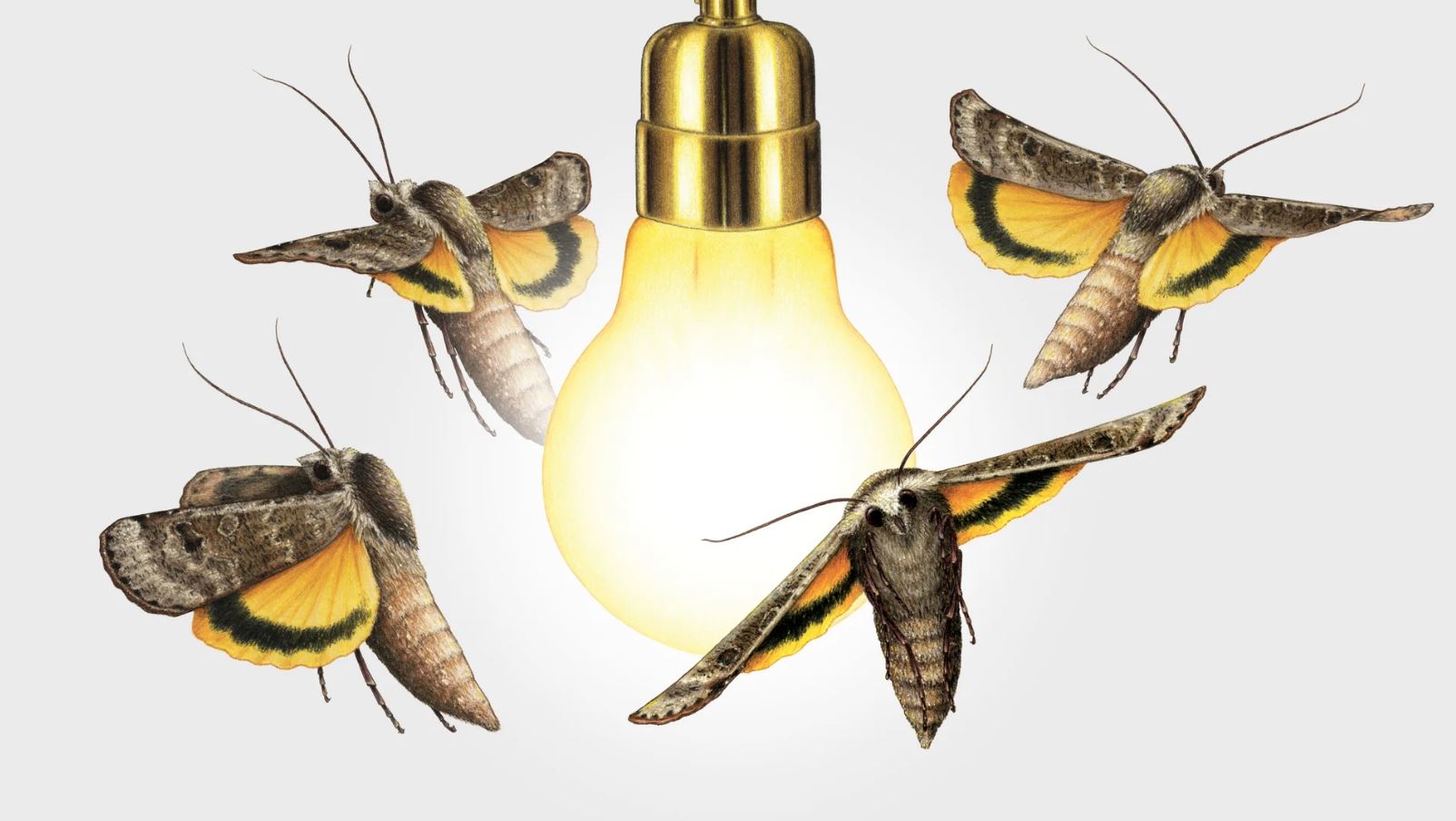
The Lamp as the First Signal
Every nightly observation begins long before a moth has drifted into view. It begins with the decision to turn on a lamp, to choose a glowing presence that will cut through darkness and speak into the surrounding landscape. Although the device appears simple at a glance, a lamp is a highly expressive signal. Its brightness, hue, beam shape, and even the rhythm of its electrical pulse determine how insects will interpret the environment. In many ways, the lamp is the first form of language exchanged between observer and moth, a kind of luminous declaration that sets the tone for everything that follows.
When you power a lamp on, there is a moment where the world feels slightly paused, as though the night itself inhales. Colors sharpen, shadows fall into deeper relief, and airborne dust glitters like drifting crystals. This subtle transformation is often overlooked, yet it is one of the most defining elements of moth documentation. Before a single wingbeat arrives, you are already shaping the encounter. The light announces itself to every organism in the vicinity, and even at great distances, certain wavelengths travel like invitations. A lamp placed in a field, near a line of trees, or beside a quiet wall sends a different message depending on its strength and temperature.
The electricity behind a lamp may appear purely mechanical, but what emerges is an atmosphere. Some lamps radiate a steady warmth that settles into the space like a quiet presence, encouraging moths to linger. Others produce a sharp, almost metallic intensity that generates quick bursts of activity, drawing fast fliers and restless species that rarely stay still. Over the months of consistent observation, you begin to sense these personalities. Each lamp behaves like its own character, defined by its physics but expressing itself through the emotional color it paints onto the scene.
In this work, there is no single universal lamp. Instead, each session chooses a lamp like one chooses a lens for a camera: based on mood, desired clarity, environmental conditions, and the type of story that may unfold. Some lamps emphasize detail, revealing fine textures and subtle color bands on fragile wings. Others highlight motion, tracing the sweeping arcs of moth flight as shimmering silhouettes. This flexibility is essential because night is never the same twice. Changing humidity, temperature, and wind require different luminous strategies, and learning which lamp suits which moment becomes a quiet skill learned through repetition.
Over time, lamps cease to be tools and become environmental partners. The way they brighten stones, leaves, and air particles produces a visual language that moths interpret instinctively. A warmer lamp may mimic moonlight filtered through thin mist, creating an atmosphere that coaxs gentle fliers. A colder blue lamp can resemble open-sky reflections that stimulate faster, more alert moths. These interpretations are not symbolic but biological. Each wavelength interacts with insect eyes differently, guiding movement patterns and shaping the choreography of the night. When you observe long enough, you begin to recognize these choreographic shifts the same way one recognizes changing tides.
The Sensory Weight of Light in Nocturnal Spaces
When you begin spending long nights with lamps, it becomes clear that light has its own emotional weight. Even before a moth arrives, the air changes. Dust drifts more visibly, trees form gentler silhouettes, and sounds seem to lodge themselves in softer pockets of space. The lamp sets a tone that is felt rather than analyzed. Certain lamps encourage patience, asking you to settle into the night with a quiet, unhurried focus. Others heighten vigilance, pushing your senses into alertness. This emotional impression influences how deeply you observe, how carefully you take notes, and how present you remain in the slow unfolding of nocturnal activity.
Warm-spectrum lamps tend to cradle the environment. They soften expressions in the landscape, giving gentle contours to bark, soil, and leaves. This warmth feels almost domestic, like a window left open in a quiet home. Under this hue, moths approach with a steady confidence. Their paths are relaxed, their fluttering less frantic. By contrast, colder lamps encourage sharper contrasts. They reveal crisp edges, stark shadows, and a subtle hardness in the visual field. These lamps attract faster species that dart in and out of the illuminated zone with sudden bursts of motion. The difference may appear subtle, yet it affects the entire rhythm of documentation.
Lamps also shape your relationship with time. A strong, unwavering beam creates a sense of progression, allowing you to chart arrivals, pauses, and departures with clarity. A softer, more diffuse lamp seems to smudge time together, making observations feel like a continuous sweep of impressions. In those moments, the page of your notebook becomes a place where memory and present perception blend, where every flutter, landing, and subtle shift is recorded through the lens of mood rather than strict classification. The lamp you choose determines whether your night feels like a collection of precise entries or a drifting narrative.
Sound plays an unexpected role in how lamps affect perception. Some lamps hum with a faint electric whisper. Others crackle at irregular intervals. These tiny noises fold into the ambience, shaping how alert you feel. A humming lamp may soothe you into a meditative silence, while a crackling one sharpens attention. Moths respond to these sound signatures as well. Even though they may not perceive the noise directly, sound vibrations subtly influence air movement, which can alter the flight feel around the illuminated zone. Energy, both visual and tactile, plays a part in the choreography of these sessions.
Over dozens of nights, patterns appear. You learn which lamps thrive in humid conditions, which ones distort color accuracy, and which ones best reveal wing texture without washing patterns out. Some lamps carry a personality you grow fond of, developing a kind of trust in their steadiness. Others remain temperamental, offering unpredictable intensities that create erratic pockets of brightness. These tendencies shape your anticipation. Instead of simply turning on a lamp, you learn to read its mood on any given night, noticing how quickly it warms, how its color stabilizes, and how much presence it exerts on the environment.
The Ritual of Preparing the Lamp
Setting up a lamp becomes its own ritual. It begins long before the switch is flipped, in the careful cleaning of the bulb, the adjustment of the stand, and the precise angling of the reflective surface. Dust is wiped with attentive motions because every particle dulls the clarity of the beam. Wiring is checked with the patience of someone about to set up a delicate experiment. These moments create a transition between daylight perception and nocturnal focus. As you prepare the lamp, you quietly shift into the mindset required for observing moths.
Once the lamp powers on, you watch the light stabilize. Some lamps warm slowly, glowing first with a weak pulse before achieving their full radiance. Others snap immediately into a bright, confident beam. This warm-up moment is intimate, like witnessing a creature stretch before activity. Even the way a lamp reaches its peak tells you something about the night ahead. A lamp that stabilizes too quickly may signal lower humidity or cooler temperatures. A slower warm-up may indicate moisture in the air, which often influences the eagerness of incoming moths. These subtle clues help you prepare for what to expect.
The first few minutes of operation reveal a lamp’s behavior. Does the beam fall wide or narrow? Does the light diffuse gently or cut sharply? Does it cast long shadows or tight ones? Each answer informs how you set up the surrounding space. You may reposition your observation sheet, shift equipment, or adjust where you stand. The relationship between lamp and observer becomes a negotiation. You respond to the lamp just as moths will respond to it later, aligning your workflow to the characteristics of the light source.
Over time the ritual becomes an anchor. Even on nights when few moths appear, the lamp transforms the environment into a place that feels contemplative. The ritual signals that the night is beginning, that you are stepping into a mode of attention rare in everyday life. As moments accumulate, lamps become markers in memory. You remember nights based on which lamp you used, the softness of its glow, the atmosphere it created, and the quiet tone it set for the hours ahead. These lamps
How Moths Read the Language of Light
One of the most intriguing aspects of working with lamps is watching how moths interpret them. Light is not just illumination. For moths, it functions almost like wind direction or the pull of gravity. It becomes a navigational force that informs decision making. Some moths spiral slowly upward, riding the brightness like a gentle current. Others arc sideways, testing the boundaries of the illuminated field. Every movement is a response, a negotiation between instinct and stimulus. With enough hours of observation, you begin to see patterns emerge, like repeated phrases in an unfamiliar language.
Certain wavelengths encourage calm approaches. Moths drift toward them as though following the scent of something familiar. Other wavelengths induce quicker motion, triggering rapid fluttering or erratic looping paths. The reason for this lies deep in the structure of their eyes, which interpret light in ways profoundly different from human perception. A lamp that looks warm and mild to you may appear overwhelmingly bright to some species. Conversely, a lamp that seems muted may be a beacon of clarity for others. This biological layer adds complexity to every observation, reminding you that light is not universal but tailored by each species’ sensory world.
Some moths interact with lamps directly. They land on the reflective housing, rest on the warmest part of the bulb protector, or hover close to the center of the glow. Others remain on the periphery, responding less to brightness and more to contrast. The way they position themselves tells you something about their comfort, tolerance, and curiosity. Surprisingly, many moths appear cautious rather than reckless. Their spirals are deliberate. Their landings are thoughtful. Watching them reveals that their relationship to light is not simply attraction but exploration.
Through ongoing sessions, you begin to sense that lamps act as stages rather than traps. They create an illuminated boundary where encounters can occur clearly and respectfully. Moths are not ensnared by the glow, they are empowered by it, because the light reveals their forms in ways that natural darkness cannot. Each wing pattern becomes visible. Each movement is readable. Light becomes a partner in documentation, giving depth to observation and dignity to the creatures that enter its reach.
For this work, lamps ultimately serve as bridges. They connect the unseen world of nocturnal flight with the human desire to witness. Through their glow, we gather stories, behaviors, and fleeting gestures that would otherwise dissolve into the night. Lamps illuminate not only insects but the act of patience itself. They teach the rhythm of waiting, the value of quiet attention, and the intricate dance between presence and environment. Every lamp used becomes a reminder that observation is never passive. It is a shared moment, shaped by the luminous signal that calls moths from darkness into view.